For us, a state is a service provider. Dubai has masterfully fulfilled this role for years: zero taxes, maximum security, pure luxury. But anyone observing the current situation in the Gulf in 2026 will notice that the most important basic service—physical security—is beginning to crack. Those who live by the flag theory do not ask for loyalty, but for the next functional base. A place where you are truly safe from war, but at the same time do not have to give up the comforts of big-city life.
On the one hand, Dubai and Abu Dhabi have delivered magnificently in the face of an extreme and unexpected escalation. By March 3, 182 missiles had been successfully intercepted, and of 689 drones, only 44 reached the ground, causing little damage and no fatalities. This is an exceptionally high achievement that a country like Germany would absolutely not be able to match. The gloating voices of Germans envious of Dubai should therefore not be too loud: after all, Berlin is only half as far away from Kaliningrad, Russia (600 km) as Dubai is from Tehran (1,200 km).
With France now involved in air defense over the UAE and the Iranian regime’s options dwindling, despite all the deliberate fearmongering, a further, worse escalation is not to be expected. Iran may still have many missiles, but they do not fly by themselves. The availability of launchers is decreasing dramatically every day. And it is shifting from coastal regions to inland areas, where interception is much easier due to longer flight times. The United Arab Emirates also has more than enough interceptor missiles for the last sad attempts, while the Shahed drones can be shot down much more cheaply by fighter jets, for example. Life in the Emirates will return to normal after a few days, even if new tourists will largely stay away for a few weeks.
Nevertheless, there is no denying a certain unease among many expats in the United Arab Emirates, even if other Gulf states have been hit much harder. The noise of interceptor jets and missiles alone can cause trauma that is not easily forgotten. Even if the actual danger is greatly exaggerated by Western media, many people will subjectively seek an alternative to Dubai, even though the metropolis remains statistically safer than almost all of the alternatives discussed in this article. This is especially true for typical online entrepreneurs who are not tied to Dubai by long-term leases or other obligations, or who can or want to afford to leave quickly. Many of the departures described by the media as “escapes” via Riyadh in Saudi Arabia, for example, with a 10-hour transfer, are due more to important business or private appointments than to actual fears for one’s own safety.
However, the hypothetical security of the Emirates naturally comes at a price, even for those with deep pockets: a surveillance state that rigorously controls and censors opinions in the here and now. In fact, fake news is punished with heavy fines or even threats of imprisonment in the eyes of the government. An exaggerated AI image of the Burj Al Arab on fire could, despite all the references to it, mean an entry ban even for non-residents, even though this text actually praises and defends the Emirates (we have therefore decided to delete the image, but would like to point out this worrying circumstance).
These restrictions on freedom of expression and opinion may or may not be appropriate given the seriousness of the situation, but they cannot be ignored. Anyone who chooses to live in the Emirates must master the balancing act between the advantages and disadvantages of local autocracy. Those who value absolute freedom of expression over freedom of action and taxation may be better off in another metropolis. The increasing bureaucratization of the Emirates should also give pause for thought. Economic freedom is diminishing as a result of pandering to global compliance. denationalize.me founder Christoph therefore terminated his visa two years ago and now only visits the country occasionally as a tourist. Perhaps one should flee for reasons other than missiles!
However, malicious schadenfreude about German tax evaders in Dubai stems from total ignorance. Those who move to Dubai generally do so not because of taxation, but because of the amenities of a large, well-connected city with first-class healthcare, education systems, and basic infrastructure. After all, there are dozens of countries in Europe where you can enjoy tax exemption. But as nice as Valletta, Monaco, Larnaca, or Sark may be, they are not necessarily metropolises on this planet.
For those accustomed to the lifestyle of Downtown Dubai or Palm Jumeirah, other small Caribbean or Pacific villages, microstates, and even many Latin American cities are often not permanent solutions. A certain level of infrastructure simply requires a corresponding population size.
That’s why we draw a hard line here: no island villages, no small towns. We even had to exclude larger capitals of potential tax-free countries such as Riga in Latvia, San Jose in Costa Rica, and Montevideo in Uruguay, not to mention many small Caribbean and Pacific capitals.
Here is a truthful analysis of 25 global metropolitan areas (with 1.5 million inhabitants or more) that offer legal escape routes and tax optimization. We have limited ourselves to one large city per country – other metropolitan cities in that country (especially in Asia) also have their raison d’être, of course. In addition to tax exemption, we also analyze the country’s level of risk – both geopolitically and locally. After all, you don’t want to experience the same thing again in the future!
If the immigration barriers of some countries are too high for you, don’t forget: as a perpetual traveler, you can often live in ANY global metropolis for up to six months, regardless of taxation. Two or more distributed locations are also better for geopolitical risk and much less complicated in practice than permanently immigrating to a new system. This article is primarily aimed at those who think they cannot or do not want to do this. Nevertheless, denationalized or stateless persons can also benefit from a compliance residence in some of these countries.
If you need to act immediately, it is best to book a consultation with our team to find out the best alternatives to Dubai. Whether you want to reconsider emigrating there or are already there and perhaps did not know about the alternatives, we are happy to help!
The Americas: From Crypto Hubs to Territorial Taxation
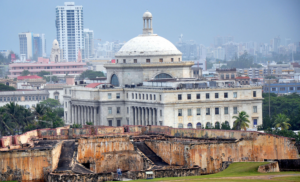
1. San Juan (Puerto Rico, USA)
- Metropolitan area: 2.0 million inhabitants
- Facts: Caribbean vibe combined with US infrastructure. Glamorous in expat enclaves such as Dorado Beach. The only option for US citizens to be tax-free without giving up their citizenship. Anyone who can endure 6 months in San Juan can then live the other 6 months in New York, Los Angeles, or Chicago.
- Risk level: Proximity to Cuba may be a concern in the event of further attempts at regime change. Relatively high crime rate, but mostly limited to poor neighborhoods.
- The tax setup (Act 60): The ultimate crypto and trader hub. 0% tax on capital gains, interest, and dividends accrued after you become a resident. After a 10-year holding period, capital gains accrued prior to that are taxed at a reduced rate of only 5%. Corporate profits (export services) can be reduced to 4% with Act 4. Foreign companies are possible, but subject to strict US anti-abuse regulations.
- Immigration: Moving to Puerto Rico with tax benefits requires the purchase of local real estate, an annual donation of $10,000 to local NGOs, and a strict physical presence requirement (at least 183 days). Puerto Rico does not have its own investor visas, but follows general US guidelines. An investment of approximately $100,000 in a local company with the aforementioned 4% tax can already be the key to an E2 visa, which many denationalize.me readers have already successfully obtained with our partners. Advantage: no permanent US tax liability unlike a green card if less than 4-6 months are spent in the country. New Trump Gold Card for a $1 million donation and $15,000 processing fees.

2. Panama City (Panama)
- Metropolitan area: 2.0 million inhabitants
- Facts: The “Dubai of Latin America.” The only city in the region with a comparable skyline, excellent banking system, and USD currency. Similar bad reputation to Dubai, especially in Germany. Jungle instead of desert, for those who prefer greenery.
- Degree of risk: Theoretically not immune to global conflicts due to the Panama Canal, but no foreseeable threat. One of the safest major cities in Latin America, apart from a few urban ghettos.
- Tax setup (territorial): Purely territorial system. 0% tax on foreign income. Only income physically generated in Panama is taxable. No real abuse regulations for foreign shell companies. Learn more about our Panama setups here.
- Immigration: Friendly Nations Visa (investment of $200,000 in real estate) or Qualified Investor Visa (from $300,000) leads to permanent residence permit. However, there are still much cheaper alternatives via company formation (approx. $15,000 cost), retiree visas with a 25-50% discount on all local living expenses (from $1,000 pension) and various others. Panama remains a highly interesting alternative or supplement to Paraguay.
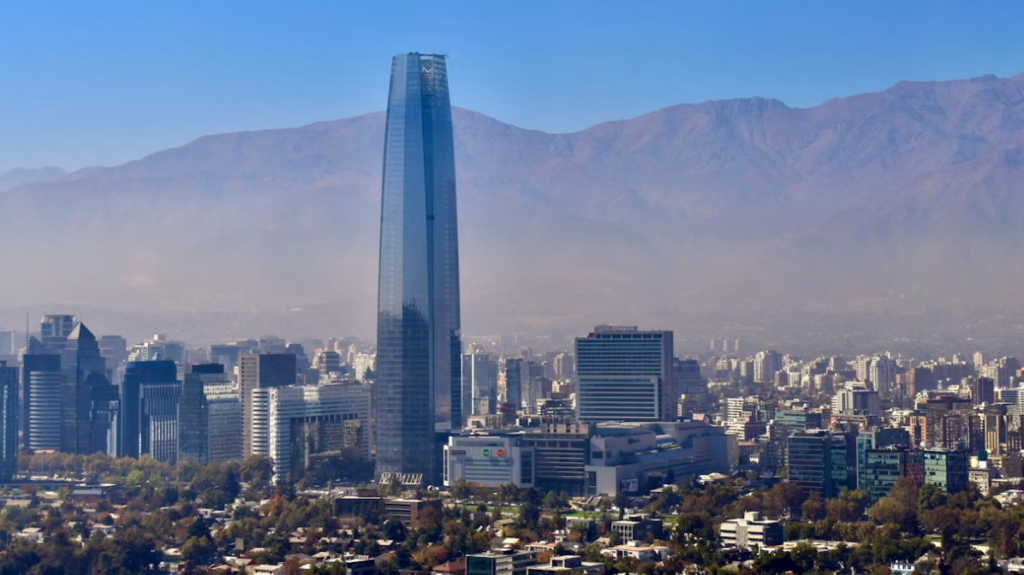
3. Santiago de Chile (Chile)
- Metropolitan area: 7.1 million inhabitants
- Facts: The most European and best-developed infrastructure in South America. After years of communism, a liberal president is back in power who could halt Chile’s gradual decline.
- Risk level: Earthquakes are the greatest external threat here – not other countries. Santiago has a rapidly growing crime problem, but this is now being tackled decisively and is still not comparable to large cities in Central America.
- Tax setup (tax holidays): Foreigners are completely exempt from tax on worldwide foreign income for the first 3 years (extendable to up to 6 years upon request). After 5 years, Chilean citizenship is already available, with birth tourism significantly shortening this period. An ideal location (even outside the city of Santiago) to have children.
- Immigration: Investor visa (from approx. USD 500,000, depending on business plan). Rentista visa for passive income (anything except salary) relatively easy to obtain, but requires a minimum stay of 6 months in the first two years. Prospect of the strongest passport in Latin America with ESTA to the US.
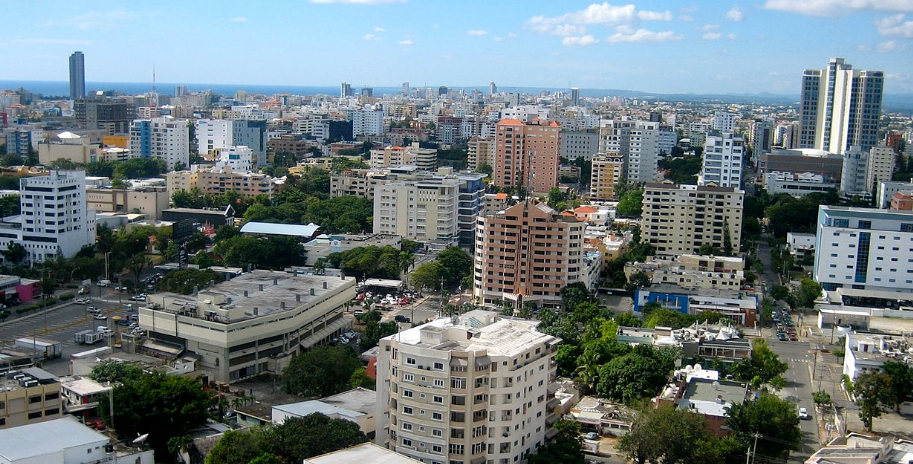
4. Santo Domingo (Dominican Republic)
- Metropolitan area: 3.3 million inhabitants
- Facts: Booming economy, extremely fast flight connections to the US East Coast.
- Risk level: Cuba and, above all, Haiti are potentially problematic neighbors. Crime is kept within limits.
- Tax setup (territorial): Foreign income from passive investments or pensions is tax-free. Foreign employment income becomes formally taxable after the third year, but can be circumvented through dividend distributions from shell companies.
- Immigration: Inversionista Visa (USD 200,000 investment) or Rentista (passive income of at least USD 2,000/month). Extremely fast citizenship possible within 6 months with investment visas.

5. Asunción (Paraguay)
- Metropolitan area: 2.7 million inhabitants
- Facts: Extremely free and capitalist. Architecturally far removed from Dubai, but not only a world-class paper residency. A good place for many families to live peacefully and, above all, affordably.
- Risk level: Geopolitically probably one of the most boring places, but all the more secure for it. Crime exists, but it hardly affects the quality of life. Many German-speaking fraudsters cloud the overall picture somewhat.
- The tax setup (territorial): 0% on worldwide income, 10% flat tax on local income. Offshore shell companies as well as US LLCs can be used without any problems despite local management.
- Immigration: Probably the most unconditional legal immigration in the world. Clean documents from your home country and two visits are sufficient. denationalize.me assists hundreds of clients every year with immigration to Paraguay.
Europe: Flat-Rate Taxes, Expenses, and Special Programs
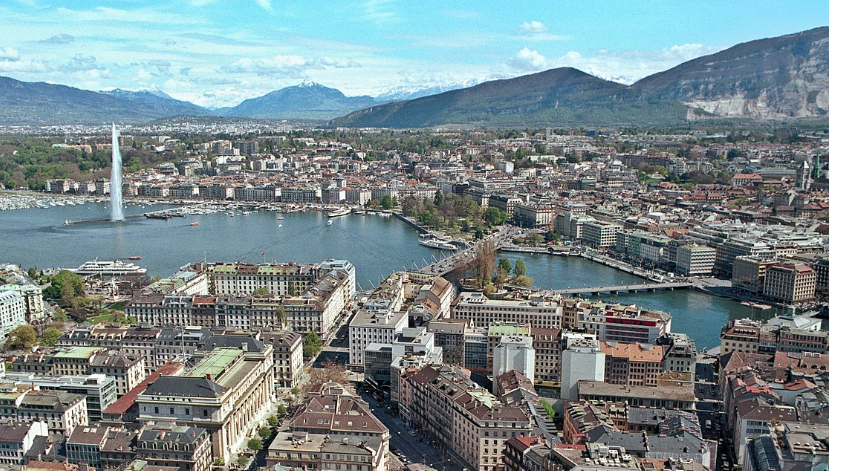
6. Geneva-Lausanne (Switzerland)
- Metropolitan area: 1.5 million inhabitants (Arc Lémanique metropolitan area)
- Facts: The exact opposite of the desert: maximum security, utmost discretion, Alpine panorama. But extremely expensive. Since expenditure taxation is no longer possible in Zurich, we had to choose the Geneva-Lausanne metropolitan area for little Switzerland.
- Risk level: Historically neutral. Considered very safe, but cracks are appearing. High risk of being dragged into the downward spiral of Germany and France in particular. Increasing crime problems, albeit still at a comparatively low level.
- The tax setup (taxation based on expenditure / forfait): Taxes are not calculated based on your annual living expenses (minimum assessment basis in Geneva/Vaud often starts at CHF 400,000 and up). Due to work restrictions, it is primarily aimed at private individuals and is only suitable for self-employed persons to a very limited extent and is by no means tax-free. French-speaking Switzerland has some of the highest tax rates in the country, but it is the only real metropolitan area where expenditure taxation is still possible. Taxes of up to 45% are more typical of Germany, but in combination with expenditure taxation, a married couple with one child pays only around CHF 125,000 per year, regardless of their actual income.
- Immigration: Only slightly more difficult for EU citizens than freedom of establishment in other EU countries. Those subject to expenditure taxation can also gain access individually with a non-EU passport. Additional business investment visas are available for large sums of money.

7. Warsaw (Poland)
- Metropolitan area: 3.1 million inhabitants
- Facts: The secret economic engine of Europe. Ultra-modern, extremely safe, and dynamic. Also highly recommended for those remaining in Germany
- Risk level: Main buffer between Western Europe and Russia and therefore very high in the event of war. Local risks comparatively low.
- The tax setup (HNWI flat-rate tax): You pay a flat-rate tax of PLN 200,000 plus a donation of PLN 100,000. Together, this amounts to approximately €70,000 per year. Everything above this (world income, dividends) is exempt. Can be combined with other advantageous tax regimes on Polish domestic income. No work ban as in Switzerland; tax-optimized foreign companies can be operated with sufficient substance.
- Immigration: EU freedom of establishment. For non-EU citizens, this is easily achievable by establishing a Polish limited liability company (Sp. z o.o.) and obtaining a work visa as a managing director.

8. Milan (Italy)
- Metropolitan area: 3.2 million inhabitants
- Facts: Europe’s fashion and financial hub. Expensive, excellent lifestyle.
- Degree of risk: Rather low. Despite the mafia in southern Italy, it is safer than other Western European countries.
- Tax setup (HNWI flat-rate tax): The flat-rate tax for newcomers on worldwide income is now €200,000 per year (for up to 15 years) and may even be increased to €300,000. This can still be very interesting for those with millions in profits. 50% income tax exemption for self-employed newcomers, 7% for pensioners in smaller communities in southern Italy.
- Immigration: EU freedom of establishment. Investor visa for non-EU citizens (from €250,000 in start-ups or €500,000 in Italian corporations or €2 million in government bonds).

9. Athens (Greece)
- Metropolitan area: 3.7 million inhabitants
- Facts: Up-and-coming tech hub in the Mediterranean. Geopolitically safe haven when tensions flare in the Middle East.
- Risk level: Recurring border conflicts with Turkey. Otherwise relatively safe.
- Tax setup (flat-rate tax): Foreigners pay a flat rate of €100,000 on foreign income per year (term: 15 years). With only 5% tax on dividends, this is also generally useful if you build up enough assets abroad. Attractive 7% pension taxation with excellent double taxation agreements with Germany (abolition of limited tax liability on pensions)
- Immigration: EU freedom of establishment. Golden Visa (real estate investment of €800k in prime locations, otherwise €400k, €250k for conversions of industrial real estate)
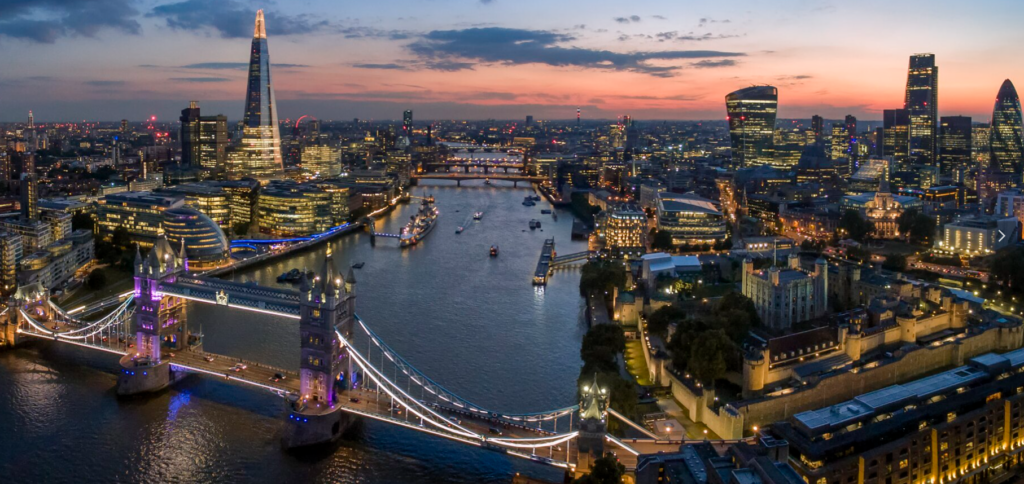
10. London (Great Britain)
- Metropolitan area: 14.8 million inhabitants
- Facts: Struggling financial power, but irreplaceable for networks. Still temporarily interesting despite the abolition of the non-dom regime.
- Degree of risk: Ambivalent as a nuclear power with high involvement in international conflicts, but threats are geographically distant. Local security in some neighborhoods is very poor. Major problems with immigration-related crime.
- The tax setup (4 years tax-free): The new FIG system (successor to the classic non-dom system) allows newcomers complete tax exemption on foreign income and capital gains for the first 4 years – even when transferring to the UK. Better than the old non-dom status, but significantly more limited in terms of time. Otherwise, it is a high-tax country. Substance required for foreign companies
- Immigration: Innovator Founder Visa (scalable business plan required) or employment. There are no solid immigration options for international entrepreneurs who do not want to build anything locally.

11. Barcelona (Spain)
- Metropolitan area: 5.5 million inhabitants
- Facts: Perfect lifestyle, actually a high-tax country, but with an ingenious loophole. Spain remains the first choice among German entrepreneurs if taxes are not taken into account.
- Risk level: Currently low due to the anti-Spanish stance of the communist government. Barcelona is notorious for petty crime, especially pickpocketing. Risks associated with the Catalan independence movement cannot be completely ruled out.
- The tax setup (Beckham Law): If you use the setup wisely, you pay 0% on foreign capital gains and dividends for 6 years and a 24% flat tax on Spanish earned income (up to €600k). Foreign substance is mandatory. Legal certainty under the current government is doubtful. One of the most popular options for stateless customers who can prove an economic reason for immigration (local company formation, employment, or secondment).
- Immigration: EU freedom of establishment. Golden visas abolished in 2025. Digital Nomad Visa or Non-Lucrative Visa remain good alternatives for non-EU citizens.

12. Lisbon (Portugal)
- Metropolitan area: 2.8 million inhabitants
- Facts: Former crypto mecca of Europe. Suffering from its popularity, but still comparatively cheaper than other Western European countries.
- Risk level: Low geopolitical risk and one of the safest cities in Europe.
- The tax setup (crypto & NHR 2.0): The advantageous old non-dom program has been reformed. However, crypto gains (after a 1-year holding period) remain privately tax-free. NHR 2.0 continues to offer 10 years of tax exemption on foreign income, but has very narrow eligibility limits. However, there are still good opportunities for qualified tech founders, larger startup investors, e-commerce traders, and those in other defined professions. Also available to other entrepreneurs if their center of life is in Madeira and the Azores. Substance required for foreign companies
- Immigration: EU freedom of establishment. Popular real estate Golden Visa reformed. Still possible via investment funds (€500,000) or donations (€250,000). Other good options for temporary residency via digital nomad visas, non-lucrative visas, and freelancer visas.
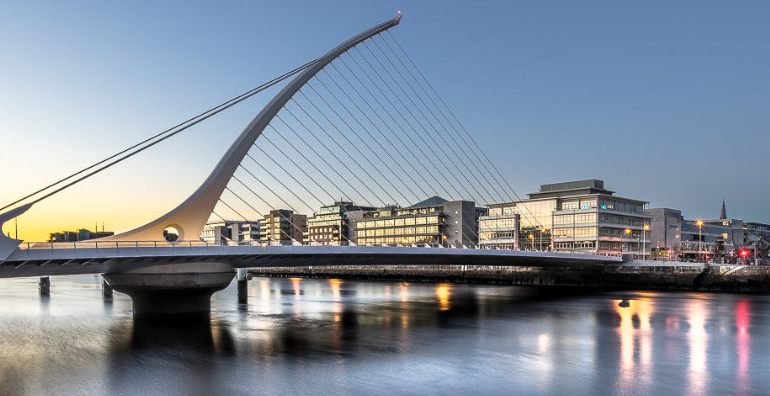
13. Dublin (Ireland)
- Metropolitan area: 2.0 million inhabitants
- Facts: The European base of US tech giants. Not very popular due to the weather, but an underrated insider tip.
- Risk level: Comparatively safe in terms of foreign and domestic policy. But conflicts with British Northern Ireland continue to smolder.
- Tax setup (remittance basis): Ireland still offers the classic non-dom system. Foreign income and foreign capital gains are tax-free as long as they are not transferred to Ireland. Substance in foreign companies required. The fastest and best private insolvency with recognized residual debt discharge in other EU countries.
- Immigration: EU freedom of establishment. Start-up Entrepreneur Programme (STEP) with €50,000 in funding. No Golden Visa.

14. Tibilisi (Georgia)
- Metropolitan area: 1.5 million inhabitants
- Facts: Libertarian paradise in the Caucasus. Popular banking, but ambivalent government policy. Continued good investment fundamentals, such as our walnut plantation. Overrun by Russians in a similar way to Dubai, with sharply rising (real estate) prices.
- Risk level: Geostrategically a powder keg. Past invasions by Russia, but defused by current politics. Locally, contrary to all stereotypes, an extremely safe country.
- The tax setup (territorial & 1%): Completely tax-free on foreign private income. Substance in foreign companies recommended, but not necessary in practice. As an entrepreneur, you pay only 1% tax on up to approximately $165,000 in annual revenue under “small business status.” Details can be found in our Georgia Guide. 15% deferred tax in the Estonia model for corporations.
- Immigration: 1 year visa-free for almost all passports! Permanent residence permit through real estate purchase from $150,000 or general investment of $300,000. Temporary residence permit already possible with approx. €18,000 minimum turnover over 1% sole proprietorship.
Asia & Pacific: The Territorial Strongholds
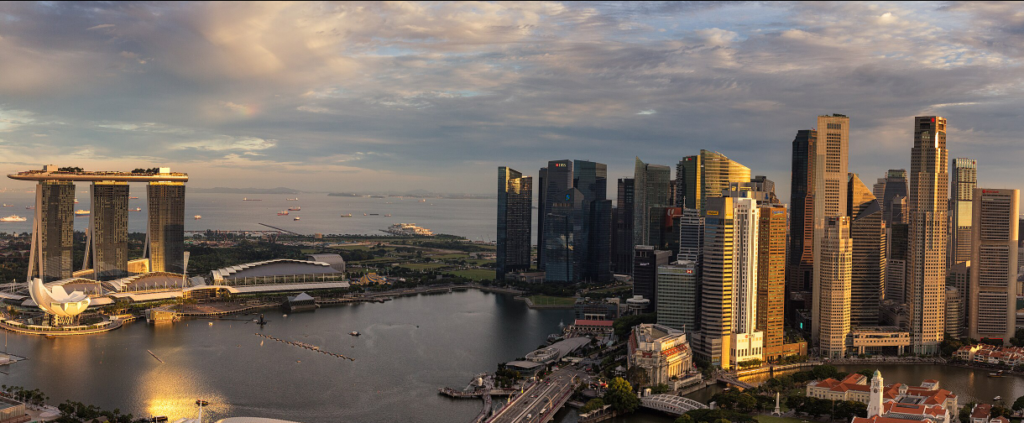
15. Singapore
- Metropolitan area: 5.9 million inhabitants
- Facts: The only city in the world that beats Dubai in terms of security and infrastructure – but extremely expensive.
- Risk level: Low risk from neighboring countries and an extremely powerful military relative to its size. One of the safest countries in the world, provided you adhere to strict local laws (e.g., even stricter than the UAE when it comes to drug use).
- Tax setup (territorial): 0% capital gains tax. Foreign income and domestic capital gains and dividends are tax-free. Corporate income tax is graduated up to 17%, local income tax is progressive up to a maximum of 24%. Foreign companies with sufficient substance are possible.
- Immigration: Global Investor Program (minimum investment of SGD 10 million) or EntrePass (only with strong VC backing). Easiest route via Employment Pass when employed by a local company (including your own company) with a minimum salary of SGD 5,600 and other requirements.
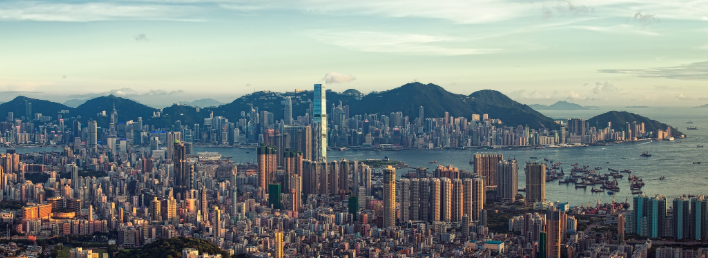
16. Hong Kong (China SAR)
- Metropolitan area: 7.4 million inhabitants
- Facts: Unrivaled as an offshore financial center, despite political proximity to Beijing. China’s growing influence is a cause for concern.
- Risk level: Rather low, but potentially affected by a future Taiwan conflict. Typical crime rate for a large port city.
- Tax setup (territorial): Foreign income remains tax-free for private individuals. Hong Kong companies with domestic management are not (up to 16.5% taxation). Foreign companies with substance are conceivable
- Immigration: Difficult. Top Talent Pass Scheme (>$320,000 annual salary) or investment visa (approx. $3.8 million) for entrepreneurs and private individuals.
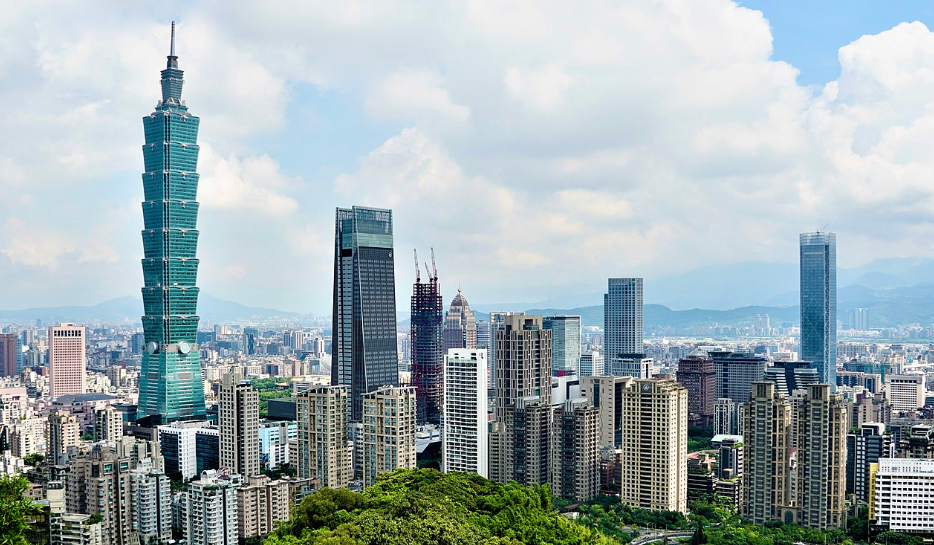
17. Taipei (Taiwan)
- Metropolitan area: 7.0 million inhabitants
- Facts: Highly technologized, extremely safe, excellent quality of life. An underestimated Plan B.
- Degree of risk: High risk in the event of an invasion by China. However, the probability of this is decreasing. Extremely safe country locally.
- Tax setup (territorial/AMT): Taiwan taxes private income on a territorial basis. Foreign income is generally tax-free as long as it does not exceed the alternative minimum tax (AMT) threshold of approximately NTD 6.7 million (approx. €200,000) per year.
- Immigration: Gold Card (combination of work and residence visa for highly qualified expats and investors) from approx. €4,400 monthly salary and various other requirements. “Plum Blossom Card” (Golden Visa) from approx. €400,000 local business investment with 5 employees or €800,000 in government bonds for 3 years.
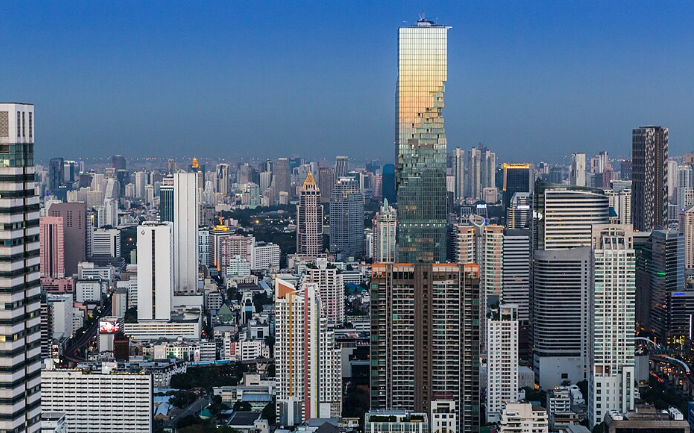
18. Bangkok (Thailand)
- Metropolitan area: 14.6 million inhabitants
- Facts: Asia’s number one expat capital. With all the advantages and disadvantages of a popular metropolis. Very popular with online entrepreneurs
- Risk level: Frequent outbreaks of bloody conflict with Cambodia. The situation in Myanmar could also become critical. Typical crime rate for a large Asian city, but relatively safe.
- Tax setup (LTR exception): Since 2024, Thailand has been taxing remitted foreign income, thus now pursuing a classic non-dom system. Exception: Holders of the elite Long-Term Resident (LTR) visa are completely exempt from taxation on offshore income – meaning they can also transfer money to the country tax-free. We can help you navigate the Thai tax system, as there are still many options available.
- Immigration: LTR visas (e.g., as a “wealthy global citizen” with USD 1 million in assets and a USD 500k investment in Thailand) with guaranteed tax advantages (also highly interesting for retirees with an income of over USD 80k). Inexpensive purchase with Privilege Visa (€17-24k depending on the option for 5 years, also possible for 20 years) and affordable options for digital nomads via DTV visa and families with education visa.

19. Kuala Lumpur (Malaysia)
- Metropolitan area: 8.8 million inhabitants
- Facts: Very high quality of life at a fraction of Dubai prices. Moderate Islam. Very good hub in Asia
- Risk level: Geopolitically and in terms of security, probably one of the best countries in the world
- Tax setup (territorial): Tax exemption on foreign private income has been extended until the end of 2026 for the time being. Malaysia pays strict attention to the place of performance. Substance in foreign companies recommended.
- Immigration: MM2H program (3-tier system starting at approx. USD 150,000 fixed-term deposit), digital nomad visas, and various other options modeled on Singapore

20. Manilla (Philippines)
- Metropolitan area: 14.6 million inhabitants
- Facts: Chaotic, but extremely capitalist in the business districts (Makati/BGC). Relatively easy immigration combined with an uncomplicated structure makes it the “Paraguay” of Asia. Greener and more livable than one might think.
- Risk level: High in the event of conflicts with China due to the many American bases. Ongoing conflict with Islamic rebels in the south of the country. One of the most unsafe capitals in Southeast Asia
- Tax setup (territorial): Foreigners pay 0% tax on foreign income and foreign dividends. This does not apply to Philippine citizens. Substance abroad is largely ignored.
- Immigration: Permanent residence with a path to citizenship after 8 years via a $75,000 bank deposit and $25,000 program fees. Without high fees, only from the age of 35 with a $50,000 deposit, from the age of 50 only a $20,000 deposit (only $10,000 if receiving a pension).

21. Shanghai (China)
- Metropolitan area: 25 million inhabitants
- Facts: The economic dragon of Asia. Also very livable for Europeans. China is currently relatively inexpensive.
- Risk level: Low, as long as no invasion of Taiwan is launched. Shanghai is more at risk than other major Chinese cities due to its relative proximity to South Korea, Japan, and Taiwan. Local crime is low.
- Tax setup (the 6-year rule): China has a little-known territorial system. Foreigners are exempt from tax on foreign income as long as they do not stay in the country for more than 6 consecutive years (reset by leaving the country for 30 consecutive days). However, it is recommended to have assets in foreign companies.
- Immigration: Z visa via your own foreign-invested company (WFOE). Investment visas start at USD 500,000 depending on the industry and region.
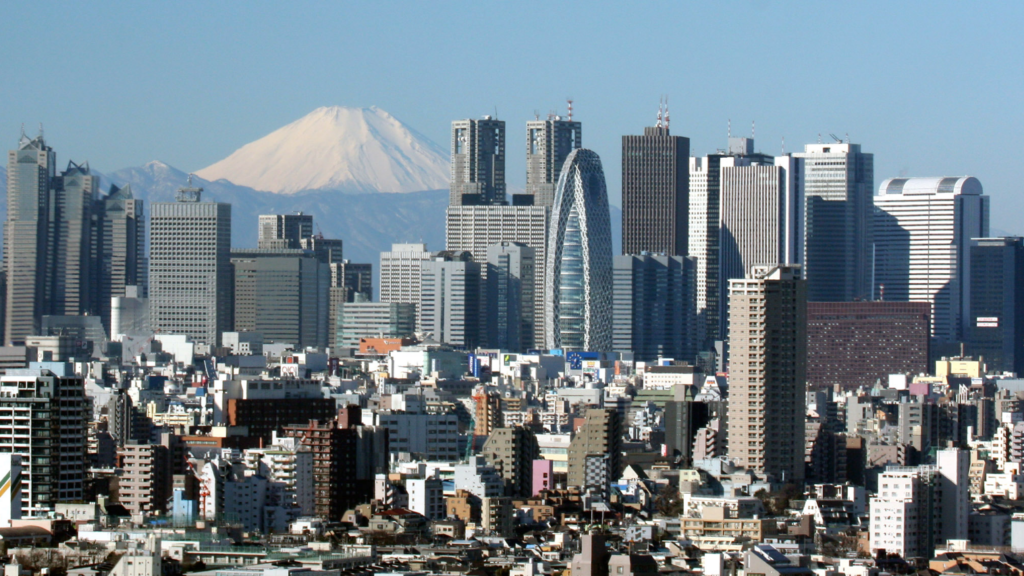
22. Tokio (Japan)
- Metropolitan area: 37 million inhabitants
- Facts: Maximum security, gigantic infrastructure. The largest metropolis in the world.
- Risk level: Low, but potentially at risk in the event of conflicts with China, Russia, or North Korea. Many American military bases. Local security is very good.
- Tax setup (non-permanent resident): For the first 5 of 10 years, you are a “non-permanent resident.” Foreign income remains tax-free as long as it is not transferred to Japan. Substance in foreign companies is necessary.
- Immigration: Business Manager Visa (establishment of a company with approximately €30,000 in share capital). Various other options for temporary residency.

23. Seoul (South Korea)
- Metropolitan area: 26 million inhabitants
- Facts: Hyper-modern, dynamic, very technology-oriented.
- Risk level: High risk in the event of escalation with North Korea. Potential problems also with China and Russia. Many American military bases. Local security very good.
- The tax setup (non-permanent resident & flat tax for expats): For the first 5 of 10 years, you are similar to Japan’s “non-permanent resident.” Foreign income remains tax-free as long as it is not transferred to South Korea. Foreign investors/directors can choose a flat tax of 19% on their income for 20 years (instead of the regular rate of up to 49.5%).
- Immigration: D-8 Corporate Investor Visa (approx. €70,000 investment in a local company). Various other investment options between €70,000 and €700,000.
Africa: Tax-Free Setups & Quality of Life
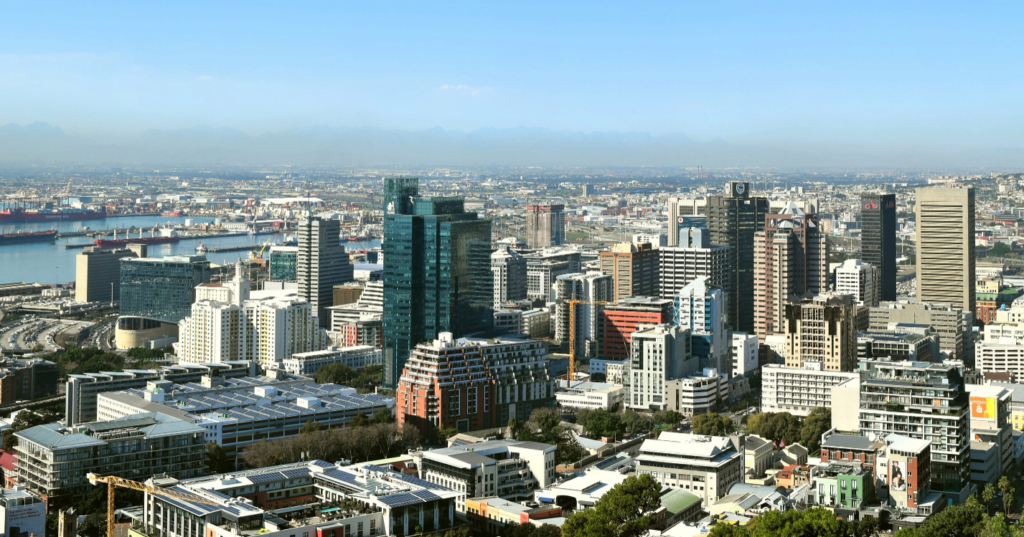
24. Cape Town (South Africa)
- Metropolitan area: 4.8 million inhabitants
- Facts: Incredibly high quality of life, European vibe, and strong purchasing power of the euro. However, you have to be able to live with infrastructure problems (load shedding).
- Risk level: Very safe politically due to its geographical location. Unfortunately, crime is very high, but Cape Town is relatively safe in the right areas compared to other parts of the country.
- Tax setup (ordinary residence): Foreign income can be tax-free for the first 5 years. Substance in foreign companies recommended. Through clever structuring and longer absences, the 5 years can be used again afterwards.
- Immigration: Business Visa (approx. €250,000 investment) or visa for financially independent individuals. The latter is very popular with our denationalize.me clients because it only requires proof of assets or income above certain limits.

25. Nairobi (Kenia)
- Metropolitan area: 5.0 million inhabitants
- Facts: Africa’s “Silicon Savannah.” Rapidly growing tech hub with a large expat community and direct flight connections to many countries.
- Risk level: Some risk due to Somali terrorism. Otherwise, one of the safer major cities in Africa.
- Tax setup (territorial): Kenya has a source-based tax system. This means that foreign income (dividends from foreign companies, foreign capital gains) is generally tax-free for residents as long as it does not originate from an activity carried out in Kenya. The substance of foreign companies is not subject to extensive scrutiny.
- Immigration: Investor Permit (Class G) requires a business investment of USD 100,000 with the establishment of a local company. Other options are available.
Conclusion of the Perpetual Traveler
The Emirates were a great bet, but a smart investor knows when to spread their risk. If you want to maintain exactly the same level of glamour as Dubai, go to Singapore or San Juan. If you’re looking for the perfect legal tax lever in Europe, go to Switzerland (Geneva-Lausanne) or take advantage of the 70k setup in Warsaw. And if you’re simply looking for maximum tax freedom, you’ll find your new headquarters in Panama City or Manila. And if you’re really smart, you won’t worry about any of that at all, but will live tax-free as a “denationalized person” in any metropolis on this planet!
Are you ready to secure your setup before the Gulf (or Germany/Austria) completely escalates? Let’s calculate your structure and actively design it. Arrange a strategy meeting with the denationalize.me team now to find out which of these 25 cities will bring the highest net return for your business. Because your life belongs to you!
Did you like our blog article?
Support us by purchasing our products and services. Or build up a passive income by recommending us as an affiliate! And don’t forget to check out Christoph’s travel blog christoph.today!
Secret Knowledge Video Course
Learn Everything that You Need to Know for a Life as a Perpetual Traveler
Watch Video CourseEncyclopedia Collection
Acquire Expansive Knowledge about Banking, Companies, Citizenships, and Emigration.
Order eBooks